A Historical and Traditional Medicine Perspective
Varicose veins have troubled humanity for centuries. Long before the advent of modern vascular surgery, physicians relied on traditional methods rooted in humoral theory. One such method was venesection, commonly known as bloodletting. While no longer practiced for varicose veins in modern medicine, venesection played a significant role in historical treatment approaches and continues to be discussed in traditional systems such as Unani medicine.
Understanding Varicose Veins
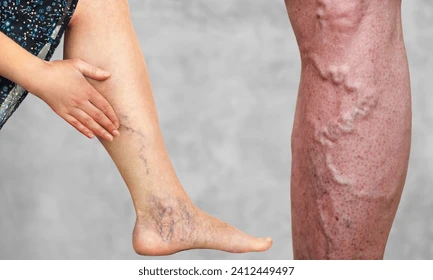
Varicose veins are dilated, tortuous superficial veins, most commonly seen in the legs. They develop due to valve incompetence, leading to venous blood pooling and increased pressure in the veins.
Common Symptoms
- Visible swollen veins
- Heaviness or aching in the legs
- Burning or throbbing pain
- Swelling around ankles
- Skin discoloration or ulcers in severe cases
Concept of Venesection
Venesection is the intentional removal of blood from a vein for therapeutic purposes. It was widely practiced in ancient Greek, Roman, Arabic, and medieval medicine.
In traditional medical systems, disease was believed to arise from an imbalance of humors, particularly excess or stagnant blood (Imtila in Unani medicine). Venesection aimed to restore balance by eliminating impure or excessive blood.
Rationale of Venesection in Varicose Veins
According to traditional theories:
- Varicose veins were thought to result from blood congestion and thickened blood
- Excess blood pressure in veins caused dilation and pain
- Removing blood locally or systemically would:
- Reduce venous pressure
- Improve blood flow
- Relieve pain and heaviness
Method of Venesection for Varicose Veins (Traditional View)
Important: The following is a historical description and a part of unani medicine of system.
- Site Selection
- Venesection was often performed on veins near the affected area, sometimes on the ankle or lower leg.
- Procedure
- A small incision was made using a lancet.
- A controlled amount of blood was removed.
- Frequency
- Performed at intervals depending on the patient’s condition and constitution.
- Adjunct Measures
- Leg elevation
- Bandaging
- Herbal preparations to strengthen veins
- Dietary regulation to reduce blood thickness
Claimed Benefits in Traditional Practice
Traditional practitioners believed venesection could:
- Reduce venous congestion
- Alleviate pain and swelling
- Prevent complications like ulcers
- Improve mobility and comfort
Limitations and Risks
With advances in medical science, venesection fell out of favor due to:
- Risk of infection
- Excessive blood loss
- No correction of faulty venous valves
- Temporary relief rather than cure
Modern evidence does not support venesection as an effective or safe treatment for varicose veins.
Modern Medical Perspective
Today, varicose veins are treated using evidence-based approaches such as:
- Compression therapy
- Lifestyle modification
- Sclerotherapy
- Endovenous laser or radiofrequency ablation
- Surgical vein stripping (in selected cases)
These methods address the underlying venous reflux, something venesection could not achieve.
Conclusion
Venesection occupies an important place in the historical treatment of varicose veins, reflecting the medical understanding of earlier times. While it was believed to reduce congestion and restore balance, modern medicine recognizes its limitations and risks. Studying such traditional practices offers valuable insight into the evolution of vascular medicine, even though current treatments are safer, more effective, and scientifically validated.